Gas Line Safety: What Every Homeowner Should Check Annually
Natural gas keeps your home comfortable and efficient—but only when handled safely. Every year, thousands of homes experience gas leaks that could have been prevented with a simple inspection. According to the Pipeline and Hazardous Materials Safety Administration (PHMSA), over 1,400 gas leak incidents occur annually in the U.S., often due to aging or poorly maintained lines.
At The Plumbinator Plumbing Co., our licensed experts have helped countless homeowners prevent costly emergencies through proactive gas line maintenance. This guide explains what you should check, how to spot warning signs, and when it’s time to call a professional plumber.
Why Annual Gas Line Inspections Matter
Neglecting your gas lines can lead to serious risks, from carbon monoxide exposure to fire hazards. Regular inspections help:
- Detect leaks early before they escalate into emergencies.
- Extend appliance lifespan by maintaining optimal pressure.
- Meet insurance and safety regulations.
- Save energy by preventing pressure loss and inefficiency.
- Protect your family’s health and home.
💡 Pro Tip: Schedule a professional inspection every 12 months—or sooner if your system is more than 15 years old.
What Are the Signs of a Gas Leak in Your Home?
Immediate Warning Signs
- Rotten egg smell (added odorant called mercaptan).
- Hissing or whistling noises from pipes or connections.
- Rust, corrosion, or damaged fittings.
Subtle Warning Signs
- Dead grass or plants above underground lines.
- Higher-than-usual gas bills.
- Pilot lights that won’t stay lit.
- Headaches, nausea, or dizziness near gas appliances.
If you suspect a leak, leave the home immediately and call emergency services before contacting The Plumbinator Plumbing Co. for repairs.
Annual Home Gas Line Safety Checklist
Spend just 30 minutes each year checking your system with this checklist:
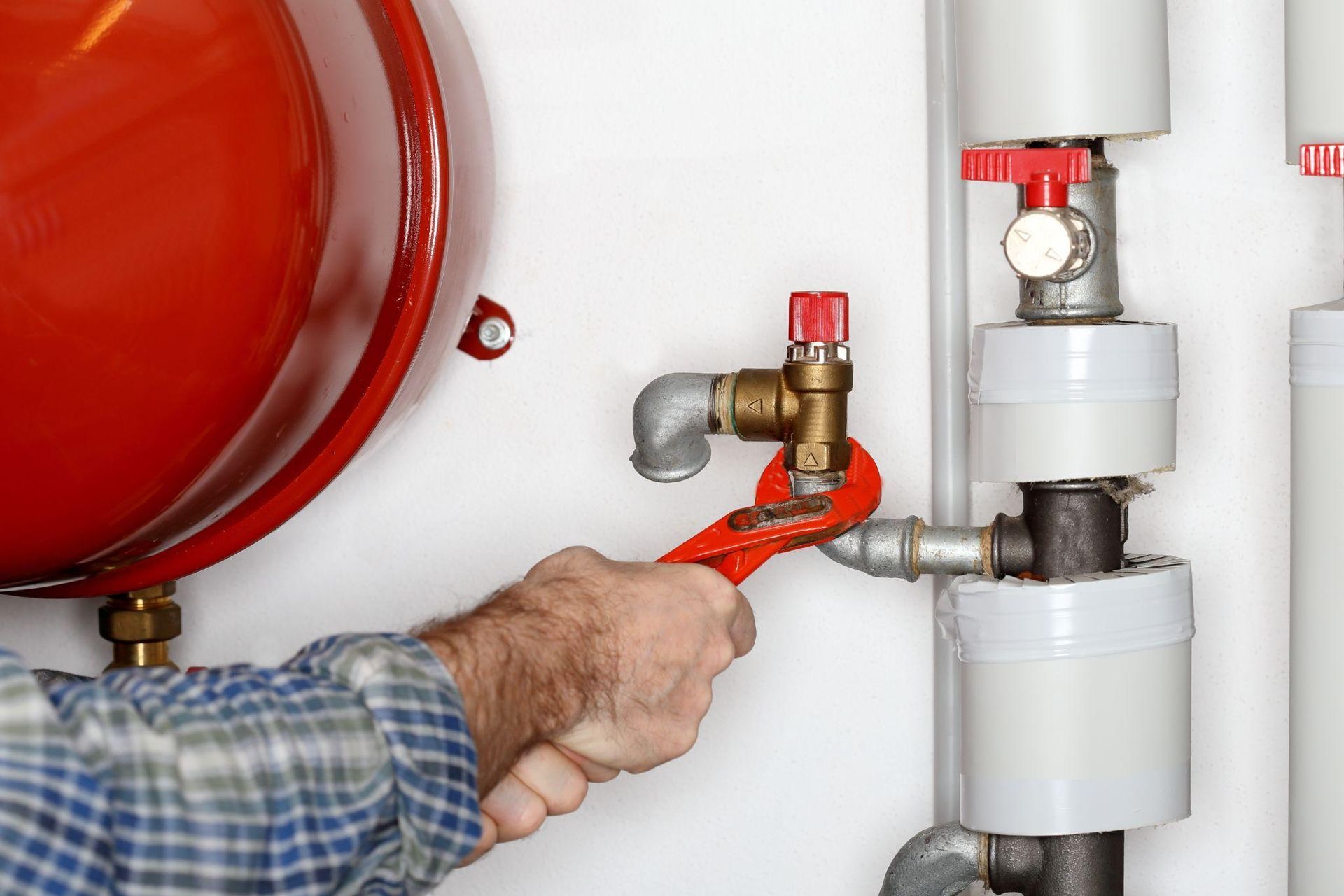
- Inspect Visible Pipes – Look for corrosion or dents.
- Smell Test – Briefly check around appliances for any odor.
- Shut-Off Valve – Ensure it’s accessible and labeled.
- Flexible Connectors – Look for cracks or looseness.
- Soap Test – Spray dish soap on joints; bubbles indicate leaks.
- Check Appliance Flames – Blue = healthy, yellow = problem.
- Record Findings – Keep notes for your next inspection.
How to Check Gas Lines in Your Home: Step-by-Step Guide
Here's a practical, safe approach to checking your home gas lines without taking unnecessary risks:
Step 1: Locate All Gas Appliances. Make a mental map of your furnace, water heater, stove, dryer, and any other gas-powered equipment.
Step 2: Identify Visible Gas Lines. Trace the lines from each appliance. Note any areas where pipes are exposed, buried, or in crawl spaces.
Step 3: Do a Visual Assessment. Look for corrosion, damage, or loose connections. Take photos if anything looks questionable.
Step 4: Perform the Soap Test Mix dish soap with water in a spray bottle. Apply it to connection points. If you see bubbles forming and growing, you've found a leak.
Step 5: Note Any Unusual Smells Carefully (and briefly) smell around connections. Trust your nose—gas companies add odorant specifically to make leaks detectable.
Step 6: Check Your Meter. Some gas meters have a test port. If you're comfortable doing so, check the meter for signs of wear or damage.
Step 7: Document Everything Write down observations, dates, and any concerns. This creates a safety record for your home.
Important: If you discover a leak during your inspection, do not attempt to repair it yourself. Leave the area, call your gas company, and contact a licensed plumber.
When Should You Call a Professional Plumber?
Contact The Plumbinator Plumbing Co. immediately if:
- You smell gas, even faintly.
- Pipes show rust or damage.
- Appliances perform poorly.
- Gas bills spike without reason.
- It’s been over a year since your last inspection.
Our certified plumbers use advanced pressure testing and leak detection equipment to ensure your system meets all PHMSA and local code standards.
-> Schedule your certified gas line inspection with The Plumbinator Plumbing Co. today!
Gas Line Safety Inspection Cost
A professional inspection usually costs $150–$300, depending on home size. This includes:
- Pressure testing
- Connection checks
- Visual inspections
- Full report with recommendations
It’s a small investment compared to the potential cost of a leak-related repair—or worse, a safety incident.
Gas Line Maintenance Tips for Homeowners
Beyond annual inspections, follow these best practices to keep your gas lines safe year-round:
- Never ignore the smell of gas. Trust your senses and act immediately.
- Keep records of all maintenance and professional inspections.
- Know where your shut-off valve is located and ensure all household members do too.
- Avoid DIY repairs. Gas line work requires a license and specialized training.
- Prevent physical damage by marking gas line locations before digging in your yard.
- Have appliances professionally serviced according to manufacturer recommendations.
- Consider installing a gas detector for extra peace of mind.
Annual Gas Line Safety Inspection Checklist & Timeline
| Inspection Item | Frequency | What to Look For | DIY Safe? | Professional Recommended? |
|---|---|---|---|---|
| Visual Pipe Inspection | Annually | Corrosion, rust, dents, damage | Yes | Yes |
| Smell Test Near Appliances | Monthly | Rotten egg odor (mercaptan) | Yes | N/A |
| Flexible Connector Check | Annually | Cracks, kinks, loose connections | Yes | Yes |
| Soap Bubble Leak Test | Annually | Bubbling at connections | Yes | Yes |
| Meter Inspection | Annually | Wear, damage, or unusual readings | Limited | Yes |
| Professional Pressure Test | Annually | System pressure integrity | No | Yes (Required) |
| Appliance Performance Check | Monthly | Flame color, heating efficiency | Yes | Yes |
| Shut-Off Valve Test | Semi-Annually | Accessibility, operability | Yes | Yes |
| Carbon Monoxide Detector | Monthly | Battery/function status | Yes | N/A |
| Full System Inspection | Every 1-2 Years | Complete safety audit | No | Yes (Recommended) |
This table helps homeowners prioritize their gas line safety efforts and understand what requires professional expertise versus basic observation.
Get Peace of Mind with The Plumbinator Plumbing Co.
Gas line safety isn't something to worry about constantly, but it does deserve your attention annually. By performing simple checks yourself and scheduling professional inspections through Pat the Plumbinator, you're taking critical steps to protect your family, your home, and your investment.
The stakes are too high to ignore. Whether you've never thought about your gas lines before or you're concerned about recent warning signs, now is the time to act.
Get Your Professional Gas Line Safety Inspection Today — Contact Pat the Plumbinator to schedule your annual gas line inspection. Our licensed professionals will give you peace of mind and keep your home safe. Contact us now for a free assessment and inspection quote.
For more information about residential plumbing safety, Check Our Services or explore PHMSA's pipeline safety standards and regulations.
Frequently Asked Questions About Home Gas Line Safety
Q: How often should I have my gas lines professionally inspected? A: At least annually, or whenever you notice warning signs. If your system is older than 15 years, consider inspections every six months.
Q: Can I detect a gas leak on my own? A: You can notice warning signs like smell or hissing, but professional leak detection equipment is much more accurate and sensitive.
Q: What should I do if I smell gas in my home? A: Leave immediately, don't use electrical switches or appliances, and call 911 or your gas company from outside the home.
Q: Are DIY gas line repairs safe? A: No. Gas line work requires a licensed plumber and must meet local building codes. Improper repairs are extremely dangerous.
Q: How can I prevent gas line problems? A: Schedule regular professional inspections, perform annual visual checks, keep records, and address warning signs immediately.
You might also like